
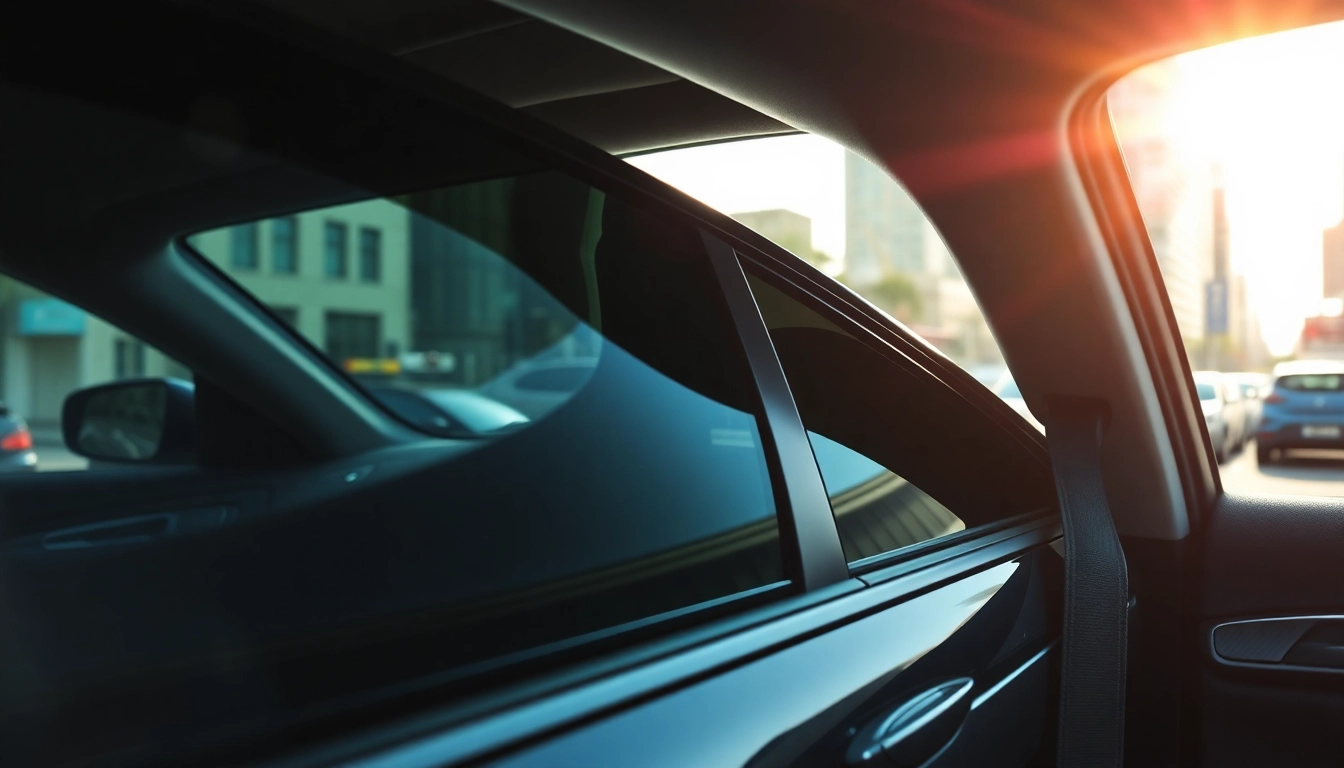
Understanding Ceramic Window Tint
What is Ceramic Window Tint?
Ceramic window tint is an advanced film designed to enhance vehicle comfort and aesthetics while providing numerous practical benefits. Unlike traditional window tints, ceramic window tints utilize non-metallic, ceramic particles which allow for superior optical clarity and heat rejection. This innovative material is applied to the windows of vehicles to effectively reduce glare, enhance privacy, and maintain a cooler interior temperature. The technology is engineered to block a significant percentage of infrared light and UV rays, making it an excellent choice for those who prioritize comfort and protection in their vehicles.
Benefits Over Traditional Tints
When comparing ceramic window tint to traditional tint options, several distinct advantages emerge. Traditional tints, often made from dyed or metalized films, can fade over time, reducing their effectiveness. In contrast, ceramic films are much more durable and resistant to fading, maintaining their performance for years. They do not interfere with electronic devices, such as GPS or cell phones, and they provide superior heat rejection, which can significantly lower the temperature inside the vehicle. Additionally, the advanced properties of ceramic window tint enhance visibility compared to darker, traditional options, ensuring safety while driving.
Types of Ceramic Window Tint Available
Ceramic window tints come in various formulations to meet different needs. The primary types include:
- Nano-Ceramic Tint: This type uses nanoparticles for enhanced performance and clarity. It effectively blocks heat and UV rays while maintaining visibility.
- Hybrid Ceramic Tint: Combining elements of traditional and ceramic tints, this option provides a balanced solution for cost and performance.
- Dyed Ceramic Tint: This option incorporates dye within a ceramic base to offer aesthetic enhancement while providing some thermal insulation.
Each type carries its own benefits, allowing users to select according to their specific requirements, whether it be aesthetics, performance, or cost.
Installation Process for Ceramic Window Tint
Preparing Your Vehicle
A successful installation of ceramic window tint begins long before the film is applied. The preparation of your vehicle is critical to ensuring optimal adhesion and performance. Start by thoroughly cleaning the windows with a high-quality glass cleaner to remove any dirt, debris, or residues. This process might involve scraping away any old tint or using a specialized solution to deal with stubborn residues. Ensuring that the surface is pristine will provide the best environment for the tint to adhere properly.
Choosing a Professional Installer
While some car enthusiasts may opt for DIY installations, hiring a professional installer is often recommended for ceramic window tint. Experience matters; professional installers have the necessary skills and tools to make precise cuts and alignments and can identify any potential issues before they become problems. Additionally, many professionals offer warranties that guarantee the longevity and performance of the tint, providing peace of mind to car owners. Look for professionals who have received positive reviews and have certifications from reputable industry organizations.
DIY vs. Professional Installation
The debate between DIY installations and hiring a professional is common among vehicle owners. DIY installation can save you money, but without the right tools and expertise, achieving a flawless finish is challenging. Wrinkles, bubbles, and misalignments can occur, which not only affects appearance but could also lead to premature peeling or fading. Conversely, professional installations, though sometimes more expensive, ensure a higher-quality result tailored to your vehicle’s specific needs. Ultimately, consider your budget, skills, and the importance of aesthetics when deciding which route to take.
Maintenance and Care for Ceramic Window Tint
Cleaning Tips for Longevity
Once installed, maintaining your ceramic window tint ensures its longevity and effectiveness. Use a soft cloth or sponge to clean the windows, avoiding rough materials that may scratch the tint. Opt for pH-neutral cleaners specifically designed for tinted windows. It’s advisable to wait at least a week after installation before cleaning the windows to allow the tint to cure fully. Regular cleaning will prevent dirt and grime buildup that can diminish the film’s performance or appearance.
Avoiding Common Damage
Ceramic window tint, while durable, is not entirely impervious to damage. Avoid using abrasive scrubbing tools or harsh chemicals, which can scar or discolor the tint. Also, be cautious of extreme temperature changes, as this can lead to peeling or cracking. Parking in shaded areas or using sunshades can help protect the tint from direct sunlight and prevent overheating. Establishing a regular maintenance routine will keep the tint in optimal condition.
Signs It’s Time for Replacement
Despite its durability, there may come a time when you need to replace your ceramic window tint. Common signs of wear include fading, peeling, or bubbling. If you notice a significant reduction in the performance of heat rejection or if the tint starts to interfere with visibility, it might be a signal that it’s time to replace the tint. Regular inspections can help you spot these issues early, ensuring that you maintain the aesthetic and functional benefits of your ceramic window tint.
Performance and Efficiency of Ceramic Window Tint
Temperature Regulation Benefits
One of the standout benefits of ceramic window tint is its ability to regulate temperature within the vehicle. By blocking a significant percentage of solar heat, it allows for a more comfortable driving experience. This thermoregulating capability can contribute to reducing the reliance on air conditioning, thus improving overall fuel efficiency. As a result, vehicle owners experience less strain on their HVAC systems, which can lead to lower maintenance costs over time.
Energy Savings and Privacy
Ceramic window tint not only enhances comfort but also offers significant energy-saving benefits. With decreased reliance on air conditioning, vehicle energy consumption is reduced, leading to better fuel efficiency, especially in hot weather. Furthermore, this type of tint offers a substantial privacy advantage. It obscures the view into the vehicle, allowing occupants to feel more secure and less exposed to potential prying eyes while parked or stopped. The combination of these benefits makes ceramic window tint an excellent investment for any vehicle owner.
UV Protection Features
Ceramic window tint is renowned for its exceptional capacity to block up to 99% of harmful UV rays, a feature that is increasingly important as we become more aware of sun exposure risks. This level of protection helps prevent skin damage and reduces the likelihood of skin cancer, making it a wise choice for health-conscious individuals. Additionally, by blocking UV rays, ceramic window tint also helps safeguard your vehicle’s interior from sun damage, including fading upholstery and cracked dashboards over time.
Frequently Asked Questions about Ceramic Window Tint
How long does ceramic window tint last?
Ceramic window tint typically lasts from 10 to 15 years with proper care, making it a long-term investment for your vehicle.
Does ceramic window tint block UV rays?
Yes, it effectively blocks up to 99% of harmful UV rays, protecting your skin and car interior from damage.
Can I install ceramic window tint myself?
While it’s possible to do a DIY installation, professional installation is recommended for achieving the best results and quality finish.
Is ceramic window tint legal?
Laws regarding ceramic window tint vary by state, so it’s important to check local regulations regarding tint darkness and reflectivity.
What maintenance does ceramic window tint require?
Regular cleaning with soft cloths and gentle, pH-neutral cleaners is recommended to maintain the tint’s appearance and effectiveness.