
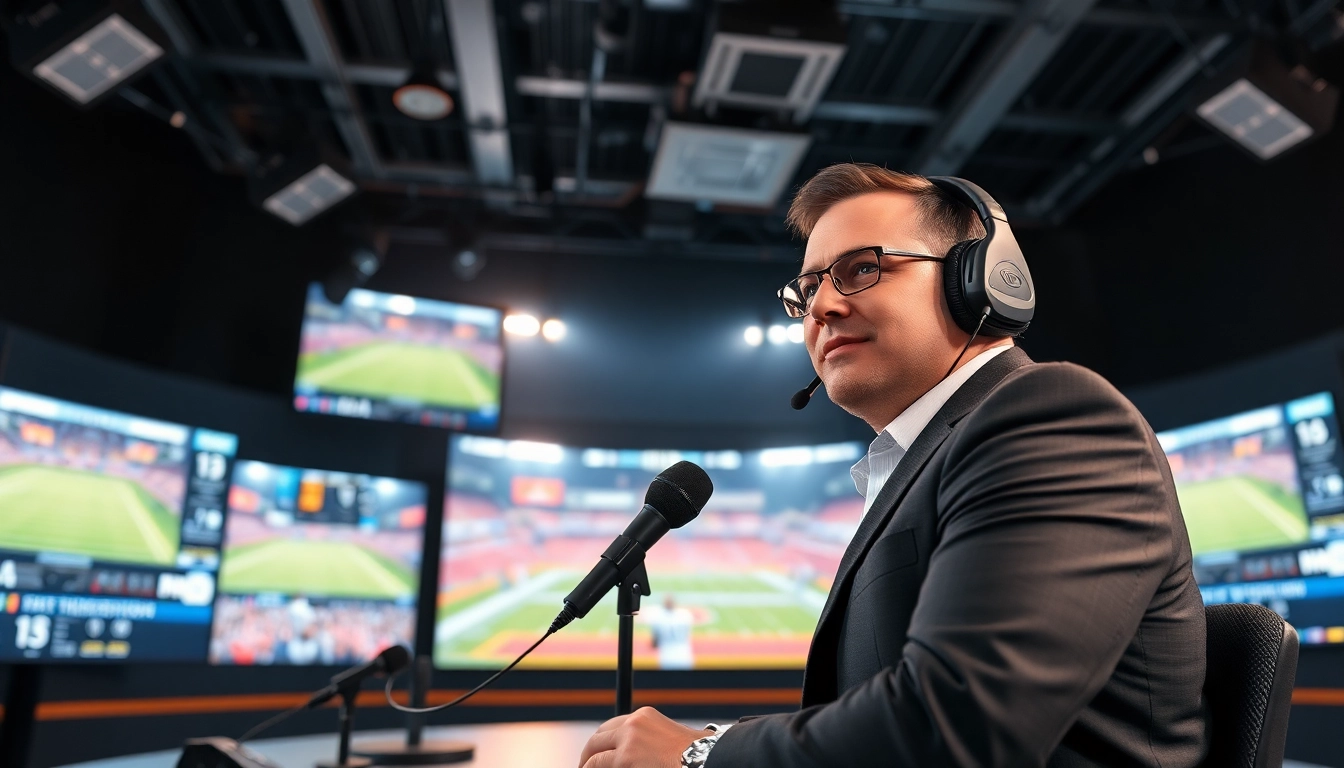
Understanding Sports Broadcasting
Definition and Scope of Sports Broadcasting
Sports Broadcasting encompasses the dissemination of sporting events through various media platforms, including television, radio, and online channels. This multifaceted approach allows fans around the world to engage with live events, highlights, and detailed analyses. The scope of Sports Broadcasting extends beyond merely showing games; it involves a comprehensive array of programming that covers pre-game analyses, interviews with athletes and coaches, post-game recaps, and commentary. The goal is to create a holistic sports experience that satisfies both casual viewers and die-hard fans alike. Sports Broadcasting also plays a crucial role in shaping public perceptions of sports and athletes, influencing culture and entertainment.
The Evolution of Sports Broadcasting
Sports Broadcasting has undergone transformative changes since its inception. Initially, sports were broadcasted via radio in the early 20th century, which revolutionized how fans engaged with their favorite teams. The television era began mid-century, with networks battling for rights to premium sporting events, enhancing viewer experiences with features such as instant replays and multiple camera angles. With the advent of the internet and advancements in technology, live streaming has become commonplace, allowing sports content to be accessible on various devices anytime, anywhere. This evolution has been marked by increasing interactivity and accessibility, reshaping the landscape of how audiences consume sports.
Key Players in the Sports Broadcasting Industry
The Sports Broadcasting industry comprises a range of entities including networks, streaming platforms, leagues, and sponsors. Major television networks historically dominated, but the rise of streaming platforms has disrupted the traditional model, providing flexibility and personalized viewing experiences. Key players also include sports leagues themselves, which dictate broadcasting rights and partner with media outlets to maximize visibility and revenue. Furthermore, advertisers play a significant role, generating revenue and influencing the content presented to viewers through sponsorships and commercials, thereby affecting the overall viewing experience.
Technology in Sports Broadcasting
Role of Streaming Technology
Streaming technology has fundamentally transformed Sports Broadcasting. As audiences increasingly demand instant access to content, streaming services offer flexibility that traditional broadcasters cannot match. Viewers can watch games live on various devices, enabling a "watch anywhere" culture. Technologies such as 5G networks enhance streaming quality, with minimal buffering, thus improving user experiences. Advanced analytics in streaming allow broadcasters to tailor content based on viewing patterns, further refining viewer engagement. By leveraging data-driven insights, broadcasters can create targeted ad experiences and content that resonate more significantly with their audience.
Impact of Social Media on Sports Broadcasting
Social media has emerged as a pivotal tool in Sports Broadcasting, changing how audiences interact with sports content. Platforms like Twitter, Facebook, and Instagram provide real-time updates, audience engagement, and commentary, augmenting the television viewing experience. Fans are no longer passive consumers; they are active participants in discussions and community-building around their favorite sports and teams. This new dynamic allows broadcasters to reach diverse demographics, increase engagement through polls and live chats, and foster fandom in ways that traditional broadcasting alone cannot achieve. Furthermore, social media provides a platform for supplementary content that enhances the overall storytelling aspect of sports.
Viewership Changes Due to Technology
Technological advancements have significantly altered viewership patterns in Sports Broadcasting. With tools like DVRs, on-demand viewing, and mobile apps, audiences enjoy unprecedented control over what they watch and when. The rise of mobile viewing has led to younger demographics favoring sports content on smartphones and tablets, creating challenges for traditional broadcasters reliant on cable subscriptions. This shift prompts broadcasters to adapt their strategies, focusing on digital platforms and interactive content to attract and retain viewers. Metrics such as engagement rates, viewer retention, and demographic analytics have become focal points in redefining content delivery and advertising strategies, as broadcasters seek to capture this evolving audience.
Audience Engagement Strategies
Interactive Broadcasting Techniques
To enhance audience engagement, Sports Broadcasting has embraced interactive techniques that foster viewer involvement. This includes features like live polls during game broadcasts, allowing viewers to vote on outcomes or answer trivia questions in real-time. Such interactions not only captivate audiences but also provide valuable data for brands and marketers. Additionally, virtual reality (VR) experiences deliver immersive broadcasts, enabling fans to feel as if they are part of the game. By implementing these interactive elements, broadcasters can significantly increase viewer retention and satisfaction, as they cater to a more participatory consumer experience.
Personalization in Sports Broadcasting
Personalization has become a crucial component of Sports Broadcasting, driven partly by advancements in data analytics. Broadcasters can analyze viewer preferences, behaviors, and engagement patterns to curate personalized content. This may include custom highlight reels, tailored recommendations, and live updates based on individual sports interests. By making content more relevant, broadcasters can enhance viewer loyalty, encouraging fans to return more frequently to their platforms. Effective use of machine learning and artificial intelligence helps in predicting viewer preferences and adapting the viewing experience accordingly, leading to stronger audience relationships.
Building Community Engagement
Building community around sports content is essential for fostering long-term viewer loyalty. Broadcasters can leverage social channels to create vibrant discussions and share user-generated content, reinforcing community ties among fans. Initiatives like fan forums, community challenges, and local meet-ups add a personal touch, connecting fans with each other and their favorite teams. This grassroots approach enhances brand equity for broadcasters and stimulates passionate engagement, often reflecting in higher viewership and participation rates. When fans feel part of a community, they are more likely to support the platforms that nurture these connections.
Legal and Ethical Considerations
Broadcast Rights and Licensing
The legal landscape of Sports Broadcasting is complex, with broadcast rights and licensing forming the cornerstone of the industry. Rights for live coverage, replays, and digital distribution are often negotiated through high-stakes agreements between leagues and networks. These contracts dictate how, when, and where sports content is available, impacting broadcasters’ programming strategies. Violation of these rights can result in substantial penalties and loss of access, compelling broadcasters to remain vigilant in compliance with legal standards. Furthermore, the global nature of sports requires an understanding of varying laws and restrictions in different markets.
Ethics in Sports Journalism
Ethical considerations are paramount in sports journalism, particularly in maintaining integrity and respect for athletes and the audience. Broadcasters must adhere to principles such as accuracy, fairness, and transparency in reporting. Issues such as sensationalism, bias, or invasion of privacy can damage reputations and alienate viewers. Training for sports journalists on ethical reporting practices enhances the quality and trustworthiness of content delivered to audiences, fostering credibility that is vital for maintaining a loyal viewer base. Ethical breaches can lead to public backlash and deteriorate the relationship between broadcasters and their audience.
Impact of Piracy on Sports Broadcasting
Sports Broadcasting faces significant challenges due to content piracy, which undermines the industry by affecting revenue and viewership metrics. Illegal streams erode the value of broadcasting rights, leading to financial losses for networks and leagues. As piracy evolves with technology, broadcasters must adopt advanced security measures to protect their content, including digital rights management (DRM) systems that combat unauthorized access. Collaboration with law enforcement and establishing public awareness campaigns about the impact of piracy are vital strategies to mitigate its effects and encourage viewership through legitimate channels.
Future Trends in Sports Broadcasting
Innovations on the Horizon
The future of Sports Broadcasting is poised for remarkable innovations driven by technologies such as augmented reality (AR), virtual reality (VR), and artificial intelligence (AI). These advancements promise enhanced viewer experiences by providing immersive content and advanced analytics that predict and personalize viewer preferences. Broadcasters are also exploring blockchain for secure transactions and increased transparency in ticket sales and digital rights. As technology continues to evolve, the ability to innovate and adapt will be key factors in maintaining audience relevance and engagement in the rapidly changing sports landscape.
Changing Viewer Preferences
Viewer preferences are shifting, influenced by generational shifts, lifestyle changes, and technological capabilities. Younger viewers tend to favor on-demand, short-form content that allows for flexibility in when and how they engage with sports. Interestingly, while traditional viewing methods may decline, demand for interactive and user-generated content continues to rise. Accordingly, Sports Broadcasting must adapt to create compelling content that resonates with these new audiences. Broadcasters should focus on mobile optimization, quick highlights, and engaging online experiences that cater to evolving viewer habits and preferences.
Growth of eSports Broadcasting
eSports Broadcasting is rapidly expanding, defining a new era in Sports Broadcasting. With millions of viewers tuning in to watch competitive gaming, broadcasters are seizing the opportunity to tap into this burgeoning market. This growth is marked not only by increased viewer engagement but also by opportunities for sponsorships, merchandising, and collaborations with traditional sports. eSports has garnered a distinct identity, often blurring the lines between traditional and digital broadcasting formats. For broadcasters, understanding this niche helps in diversifying their reach, capitalizing on the vast audience that eSports brings while establishing synergies with traditional sports.
Frequently Asked Questions
What is Sports Broadcasting?
Sports Broadcasting refers to the transmission of sports-related events via television, radio, or online platforms to reach audiences.
How has technology impacted Sports Broadcasting?
Technology has enabled live streaming, enhanced viewer experiences through interactive elements, and provides access to sports globally.
What strategies improve audience engagement in Sports Broadcasting?
Strategies include interactive broadcasts, social media integration, and personalized content that fosters viewer participation and community.
Are there legal issues in Sports Broadcasting?
Yes, issues often involve broadcast rights, licensing agreements, and adhering to ethics in journalism, especially regarding coverage of events.
What trends are shaping the future of Sports Broadcasting?
Innovations in technology, shifts in viewer preferences, and the rise of eSports will significantly influence the future landscape of Sports Broadcasting.