Understanding Online Audio Mastering
Definition and Importance
Online audio mastering is a crucial phase in the music production process that enhances the quality of sound recordings. It involves preparing and transferring recorded audio from a source to a data storage device, ensuring that tracks sound their best across various playback systems—be it streaming, radio, or physical formats. Mastering ensures uniformity, enhancing the emotional impact and clarity of a track, which can greatly influence its reception by listeners.
The importance of online audio mastering is further heightened by the rapid shift towards digital distribution. With accessible platforms and tools available for amateur artists and professionals alike, online audio mastering allows anyone to bring their musical vision to life, ensuring that every hard work in the studio translates to an equally compelling listening experience.
The Online Audio Mastering Process
The process of online audio mastering typically follows several key steps to ensure a professional finish. First, the audio engineer assesses the provided mix, listening to each element to determine its strengths and weaknesses. This assessment dictates the subsequent steps, which may include equalization to balance frequencies, compression to manage dynamics, and limiting to enhance volume without clipping.
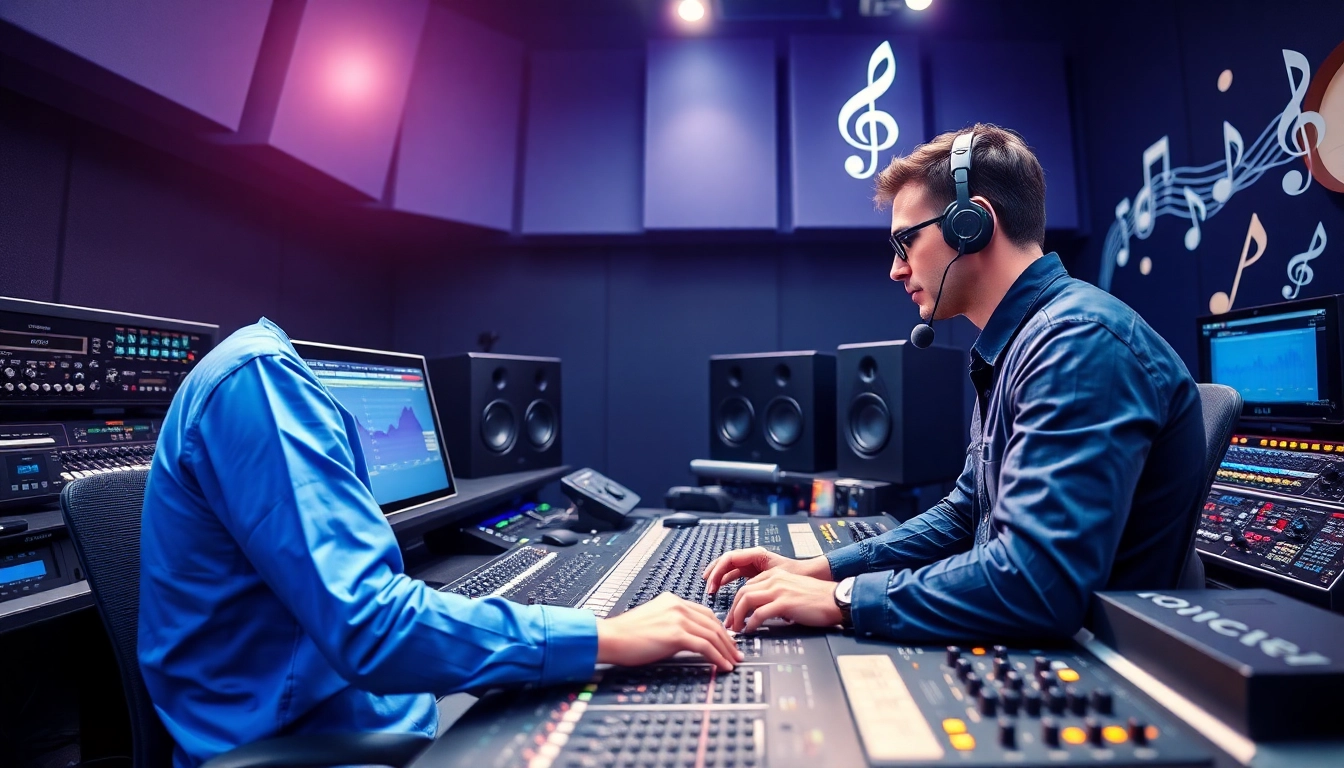
A crucial part of this process is the use of high-quality monitoring systems and acoustic treatment in the mastering suite. These tools allow mastering engineers to make informed decisions about the audio, which can significantly impact the final product. Additionally, online mastering services may incorporate techniques like stereo widening or harmonic enhancement to give tracks a richer, fuller sound.
Key Advantages Over Traditional Methods
Online audio mastering offers several advantages compared to traditional studio-based mastering. For starters, it significantly reduces costs, providing artists with access to professional sound without the hefty studio fees. The convenience factor cannot be overlooked either; artists can upload their tracks from anywhere in the world and receive mastered versions in a matter of days.
Another notable advantage is the speed of delivery. With the immediacy of online platforms, artists can quickly see how their projects evolve, engaging in real-time feedback with mastering professionals. Furthermore, many online services utilize advanced algorithms designed to optimize sound quality, incorporating cutting-edge technology that may not be available in all analog studios.
Choosing the Right Online Audio Mastering Service
Factors to Consider When Selecting a Service
Choosing the right online audio mastering service requires careful consideration of several factors. First and foremost, assess the service’s reputation. Look for comprehensive reviews and testimonials from previous clients to gauge their satisfaction levels. Understanding the experience of the mastering engineers and their backgrounds in various music genres is also critical.
Another key aspect is the range of services offered. Some platforms may specialize in certain genres, while others provide a one-size-fits-all service. Evaluate whether the service includes revisions and if they offer additional options like stem mastering, which gives more control over the mixing process.
Comparing Features and Offerings
When comparing online audio mastering services, it’s essential to look at features such as the quality of audio processing, turnaround times, and pricing structures. Some services may offer tiered pricing, where more advanced features like high-resolution mastering or custom preset options come at a premium. Compare these with their features to ensure you’re getting value for your investment.
Reading User Reviews and Testimonials
User reviews and testimonials serve as invaluable resources when selecting an online mastering service. Connected communities such as music forums and social media groups often share their experiences, providing insights into the service's reliability, effectiveness, and after-service support. Look for consistent themes in the messages—both positive and negative—to make an informed decision.
Also, pay attention to reviews that specifically mention the mastering results. This feedback can help you understand if a service can meet your audio quality expectations. Contacting past users for their firsthand accounts can unveil critical information that isn't always highlighted in formal testimonials.
Best Practices for Preparing Your Tracks
Audio Formats and Specifications
To prepare your tracks for mastering, it's important to consider the audio formats and specifications that your chosen service accepts. Generally, uncompressed formats such as WAV or AIFF are preferred because they retain all audio quality without loss. Ensure your files are at the correct bit depth and sample rate—typically 24-bit and 44.1 kHz for standard mastering purposes.
Also, make sure that your mixes are well-organized. Label your tracks clearly and provide notes if there are specific elements you want the mastering engineer to focus on. This not only facilitates an easier workflow but also improves the quality of the final product.
A/B Comparison Techniques
A/B comparison is a highly effective technique for evaluating audio tracks, especially when considering the mastering process. Listening to your original mix alongside a reference track can provide valuable insights into where your sound needs improvement. Ensure that the reference track is professionally mastered and belongs to a genre similar to your own to achieve the best results.
When comparing, focus on elements such as clarity, loudness, and warmth. Regularly resetting your ear by switching between tracks will help to identify subtle differences, which can be paramount in achieving a polished final mix.
Understanding Loudness Levels
Understanding loudness levels is crucial for achieving professional-sounding tracks. With varying standards across different platforms, knowing how loud your track needs to be is essential. The current trend often sees the loudness range being measured in LUFS (Loudness Units Relative to Full Scale), where a target range of -14 to -16 LUFS is generally acceptable for streaming platforms.
It's also vital to maintain some dynamic range. Over-compression can often lead to a flat sound, stripping the track of its punch and emotion. Aim for a balance that ensures your track is both competitive in loudness while retaining the dynamism that captivates listeners.
Common Challenges with Online Audio Mastering
Identifying Issues in Your Mix
One of the most significant challenges musicians face is identifying issues within their mix before sending it off for mastering. Often, mix deficiencies can become glaringly obvious only after a track is mastered. To avoid this, thoroughly analyze your mix—look for frequency clashes, uneven dynamics, and elements that may need rebalancing.
Using tools like spectrum analyzers and metering plugins can help in spotting problematic frequencies that may require equalization adjustments to create a more cohesive sound.
Glossing Over Important Details
In the excitement of finalizing a project, artists may gloss over crucial details, leading to regrettable mistakes. It’s essential to conduct a thorough review of the track before mastering. Take breaks between listening sessions to refresh your ears and ensure you aren't missing any issues that may detract from the overall quality.
Consider engaging a second opinion from fellow musicians or trusted friends, as they may catch details you missed during your own assessments.
Communication with Your Service Provider
Effective communication with your online mastering service is vital for achieving the desired results. Clearly articulate your goals and reference tracks that reflect the sound you aspire to create. Providing a detailed context can inspire the mastering engineer to align their vision with your expectations.
Don’t hesitate to ask questions regarding their process, and be open to feedback regarding your mix’s weaknesses. This collaborative dialogue can lead to a more successful outcome in the mastering phase.
Measuring Success After Mastering
Analyzing Audio Quality and Clarity
After receiving your mastered track, evaluating audio quality and clarity is crucial in determining its effectiveness. Analyze how the different elements of your music translate; check for clarity in vocals, the punch of drums, and the warmth of bass. Listen on various playback systems, from high-end speakers to earbuds, to understand how it performs in different environments.
This analysis helps in understanding your track's sonic balance and its potential reception across various platforms.
Feedback from Listeners and Experts
Feedback from listeners, whether friends, fellow musicians, or industry peers, is key to determining the successful outcome of your mastered track. Gather constructive criticism focusing on elements such as overall enjoyment and emotional engagement. If possible, share it with a few trusted industry experts who can offer more technical insights.
Utilizing platforms that provide direct consumer feedback can also help gauge listener responses. Understanding how your track resonates with audiences can guide your future productions.
Setting Goals for Future Projects
Once you've experienced the results of your online audio mastering, it's essential to set new goals for upcoming projects. Reflect on what worked well and any areas for improvement based on the feedback and your own evaluations. Similar to how you approach mastering, continual learning is vital in honing your skills as a musician or producer.
Consider diversifying your sound or experimenting with new techniques in your next project, using this newfound knowledge to push your musical boundaries even further.
FAQs about Online Audio Mastering
1. What is online audio mastering?
Online audio mastering is the final step in music production, where a professional enhances tracks to ensure they sound polished and cohesive across all playback systems.
2. How do I prepare my tracks for mastering?
To prepare tracks for mastering, provide high-quality audio files like WAV, make sure mixes are clean and organized, and include notes on any specific requests.
3. What formats do mastering services accept?
Most online mastering services accept formats like WAV or AIFF, typically at 24-bit and 44.1 kHz, which helps retain audio quality for the final product.
4. Can I request revisions after mastering?
Many online mastering services offer revision options, allowing you to request adjustments to achieve the desired sound, so it's best to clarify this beforehand.
5. How do I choose the right mastering service?
Choosing the right service involves considering factors like reputation, range of services offered, pricing, and user reviews to find the best fit for your needs.